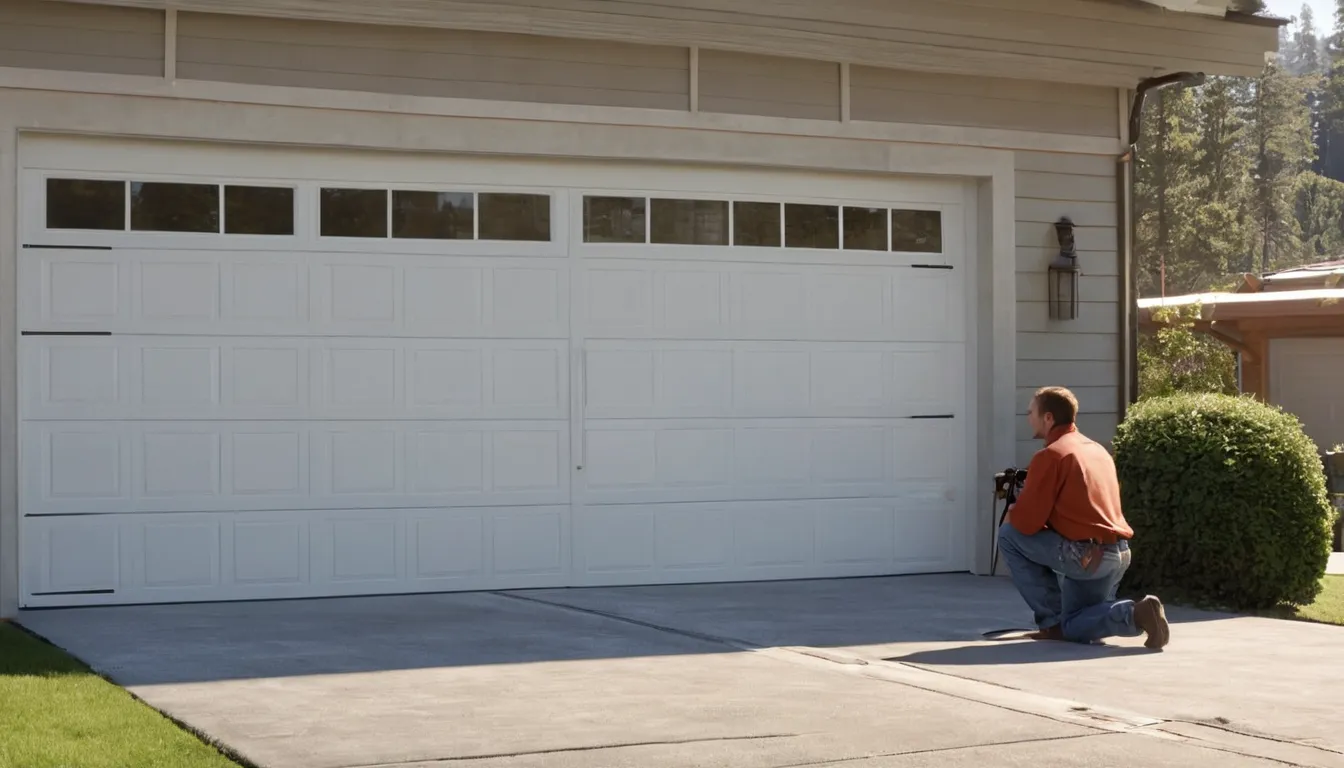
A garage door that won't work can lock a car in or leave your home open. Westdance Garage Doors is a referral service for homeowners in the Denver area. We do not do the repair ourselves. We connect you with an independent provider in our network who does.
Providers handle off-track doors, worn rollers, frayed cables, bent panels, balky sensors and opener faults. Many can respond quickly, though timing depends on the provider. After the repair, a good provider also shows you simple upkeep that helps the fix last through sun, snow and hail. Request an estimate and compare your options with no obligation.
Stuck, Crooked or Slamming Shut? Start Here
A garage door is the largest moving part in your home. It is heavy. When something goes wrong, safety comes first.
Here is what to do before you reach for the phone:
- Stop using the door. Do not push it, pull it or try to lift it by hand.
- Keep kids, pets and cars away from the opening.
- Do not touch the springs, cables or brackets above the door. They hold a lot of force.
- Look for easy clues, like a blocked sensor or something stuck in the track.
- Jot down what you saw and heard. Providers use those notes to plan the visit.
Why forcing it makes things worse
A door that jams is often off balance or off its track. Forcing it can bend metal, snap a cable or drop a panel. A small fix can turn into a big one.
When It Calls for Emergency Garage Service
Some problems should not sit. A door stuck open leaves your home and vehicle exposed. A door stuck shut can trap the car you need. A door hanging half open is a real safety risk.
In those cases, ask a provider about emergency garage service. Request a callback to check provider availability near you. Many providers can respond quickly, but timing depends on the provider and the weather.
The Repairs Homeowners Ask About Most
Off-track doors and track alignment
Rollers can pop out of the track after a bump or a hard slam. Bent or loose tracks cause the same trouble. A provider checks track alignment, straightens or replaces the metal and tightens the mounts.
Rollers, hinges and noise
Grinding, squeaking and rattling often mean worn rollers or dry hinges. Swapping them is a modest job. Waiting can wear down the tracks too.
Cables and panels
A frayed cable can let one side drop. A cracked or dented panel weakens the whole door. Hail and a stray bumper are common causes. Both repairs need a careful, trained hand.
A note on springs
Springs do the lifting. A loud bang, or a door that suddenly feels very heavy, can mean one let go. Garage door spring repair is work for a trained provider, never a weekend project. It has its own page on this site.
Opener Trouble, Sorted Out
Not every problem is the door. If the motor hums but nothing moves, or the remote goes quiet, the opener may be the cause. Providers often start with the simple things: sensors, the wall button, remote batteries and limit settings.
If your opener is old and loud, a provider may suggest a new garage door opener. Newer models run quieter and can add phone control and battery backup. Ask about door balance first, because a new motor cannot fix a door that is too heavy.
Why Balance Matters
A balanced door feels light. Lift it halfway by hand and let go. It should stay put. If it drops or shoots up, the springs or cables are off.
An unbalanced door makes the opener strain. That shortens the opener's life and can make the door unsafe. Ask the provider to test balance on every visit.
Repair or Replace?
Most problems are worth repairing. One panel, roller or sensor rarely justifies a whole new door. Replacement starts to make sense when:
- Several panels are damaged or the door is warped.
- The same repairs keep coming back each season.
- The door is old and parts are hard to find.
- You want better insulation or a fresh look for the house.
A provider can lay out both paths so you can compare. Ask for the numbers in writing.
Fix It, Keep It: Upkeep After the Repair
A repair solves today's problem. Steady upkeep helps prevent the next one. Weather in our region is tough on doors. Dry air dries out lubricant. Strong sun at altitude fades paint and cracks seals. Heavy snow and fast spring melt push moisture into tracks and bottom seals. Hail dents panels.
A simple routine goes a long way:
- Twice a year, wipe the tracks and rollers clean.
- Add garage door lubricant to hinges, rollers and springs. Keep thick grease off the tracks.
- Test balance and the auto-reverse sensors each season.
- Check the bottom seal before winter and again after the melt.
- Look for loose bolts, rust and frayed cables.
- Ask the provider about a yearly tune-up.
Protecting Your Home's Value
The garage door covers a big share of the front of many homes. A door that glides and looks cared for helps curb appeal. Buyers and inspectors notice sticky doors, dented panels and slow openers.
A door done right also keeps out snow, dust and pests. That protects what you store and the framing around the opening. On wood or stucco exteriors, a good seal helps keep moisture out of the trim. Keep your invoices. They show a future buyer that the door was looked after.
If hail or a vehicle caused the damage, some policies may cover sudden damage. Check your policy. Providers can often help document damage for a claim.
Choosing a Provider
Westdance Garage Doors refers you to independent providers in our network. They are separate businesses, and they do the work. Before you say yes, ask:
- Will you give a written quote before starting?
- Do you carry insurance for your work?
- Is there a warranty on parts and labor?
- Will you test balance, tracks and sensors?
- Can you explain what failed and why?
A good provider answers in plain words and does not rush you.
What's Included
Track alignment
Bent, loose or shifted tracks are straightened or replaced so the door rides smoothly again.
Rollers, hinges and cables
Worn hardware is swapped out, and frayed cables are replaced before they let a panel drop.
Sensors
Safety eyes are cleaned, aligned and tested so the door reverses when it should.
Opener checks
Motor, remote, wall button and settings are tested to find the real cause.
Typical Garage Door Repair Costs
Prices vary by door size, material, parts and how urgent the visit is. These are typical U.S. ranges, not quotes. Always ask the provider for a written quote that lists parts and labor before work begins.
| Repair item | Typical range | Notes |
|---|---|---|
| Service call and diagnosis | $50 – $150 | Often applied toward the repair if you proceed |
| Track alignment or replacement | $100 – $350 | Bent sections cost more |
| Roller replacement | $100 – $250 | Price depends on the roller type and count |
| Cable replacement | $150 – $350 | Both sides are often done together |
| Sensor repair or alignment | $75 – $250 | Wiring faults raise the price |
| Opener repair | $100 – $400 | A new opener costs more |
How It Works
Tell us what happened
Describe the noise, the stuck spot or the damage, using the request form or a quick phone call.
Get matched to a provider
Westdance Garage Doors refers you to an independent provider in our network who serves your area.
Review the written quote
The provider explains the fix and the price before any work starts.
Repair, then plan upkeep
After the work, ask for a short care plan to help avoid repeat trouble.
Why Call Westdance Garage Doors
Independent local providers
Westdance Garage Doors refers you to separate local businesses in our network, so the repair is done by a provider near you.
Plain comparison
You request an estimate, review the details and choose, with no obligation to hire.
Upkeep after repair
Providers can show you simple seasonal care that helps the repair last.
Home-minded work
A door done right protects the garage, the framing and the value of your home over time.
Other Services
Need garage door repair in Denver?
Tell us what your garage door is doing. Send a request through the form or email contact@westdance.homes, and we will point you to a local provider in our network.
Garage Door Repair FAQ
Why is my garage door stuck and not opening?
Common causes are a blocked sensor, a dead remote battery, an off-track roller, a broken spring or a cable problem. Check sensors and the battery first. If the door looks crooked or you hear a bang, stop and ask a provider.
Can I fix a garage door myself?
Small tasks like cleaning tracks, wiping sensors and lubricating hinges are fine. Springs, cables and brackets are dangerous, so leave them to a trained provider.
How much does garage door repair cost?
Most common repairs run from about $100 to $400, depending on the part and door type. Panels and openers can cost more. Ask for a written quote that lists parts and labor, then compare before you decide.
Request a callback
Tell us what your garage door is doing. Send a request through the form or email contact@westdance.homes, and we will point you to a local provider in our network.
No obligation